
When the Business Outgrows the Home Office
Growth does not always announce itself. Sometimes, you notice it in the things that no longer fit quite as well as they used to.
For many businesses, working from home makes perfect sense in the beginning.
There is less overhead, more flexibility and very little standing between an idea and getting started. A spare room becomes an office, meetings happen online and, for a while, the setup grows alongside the business.
Then something starts to change.
The team gets a little bigger. Clients want to meet in person more often. Conversations that once worked perfectly well over a video call feel like they deserve a room around them.
The business itself may still fit inside the home office. It is everything around it that begins to outgrow the space.
The signs are usually small
Outgrowing a workspace rarely happens overnight.
It can be noticing that a client meeting at home feels less natural than it once did. Or that bringing the team together requires finding somewhere external every time.
It might be the growing pile of equipment, the lack of separation between work and home, or simply the feeling that the environment no longer reflects the business as it exists today.
None of these things necessarily mean something is wrong with working from home.
They can simply be signs that the business has moved into a different stage.
And when that happens, the question often changes from “Do we need an office?” to “What kind of space actually makes sense for us now?”
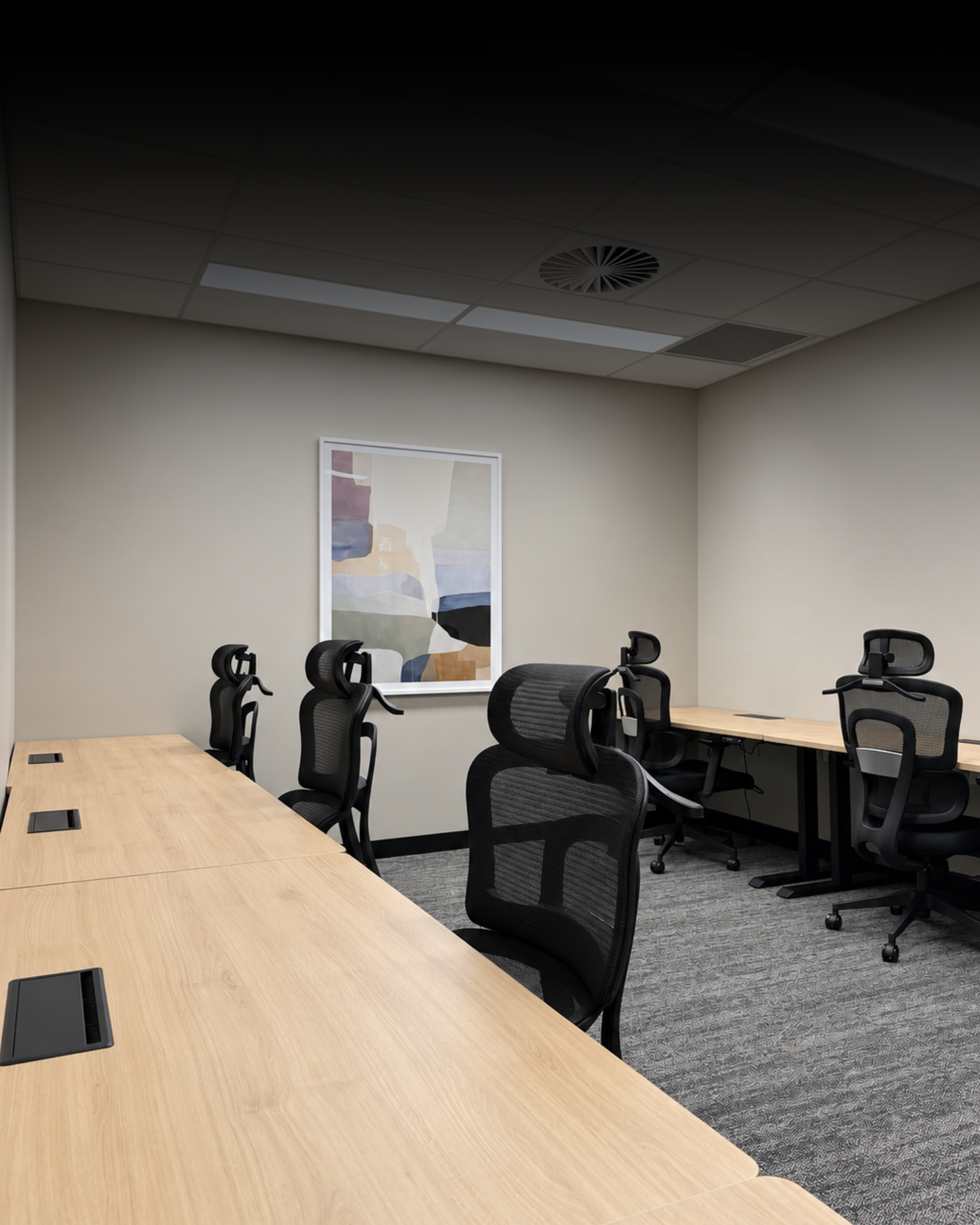
The office decision looks different than it used to
For a long time, moving into an office meant making a fairly significant commitment.
A commercial lease, fit-out, furniture, internet, utilities and the everyday responsibility of keeping a workplace running all came with the territory.
For growing businesses, particularly those whose team size or needs may look different twelve months from now, that model does not always feel like the obvious next step.
It is part of the reason flexible office spaces have become a more considered option for businesses on the Gold Coast.
A serviced or managed office can offer the permanence and professionalism of having a business base, without requiring the business to take on every part of running the space itself.
The important distinction is flexibility.
Not flexibility in the sense of having nowhere permanent to belong, but having enough room to adapt as the business changes.
What changes when there is a place for the business to belong?
A workspace can influence a business in ways that have very little to do with the desk itself.
There is somewhere to bring the team together without planning around someone else's availability.
A client meeting can happen in an environment designed for the conversation.
Strategy days have a room. New team members have somewhere to arrive. There is a clearer distinction between being at work and being at home.
These can seem like small operational details, but together they begin to shape the way a business feels to the people inside it and the people interacting with it.
For client-facing businesses in particular, the physical environment becomes one more part of the experience.
Not the most important part, but part of the picture nonetheless.


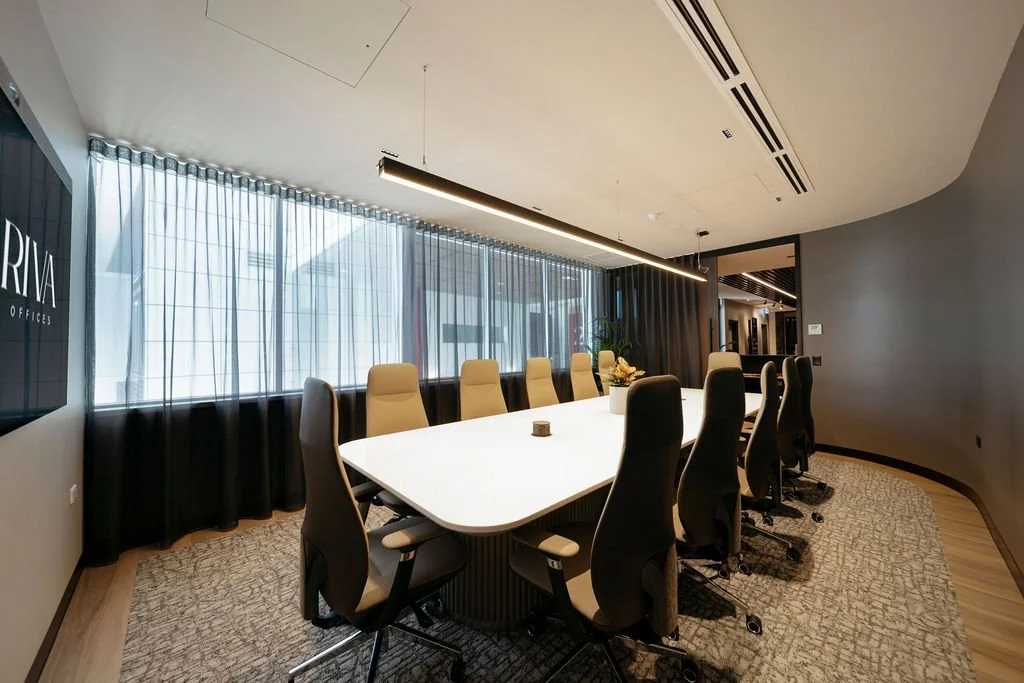
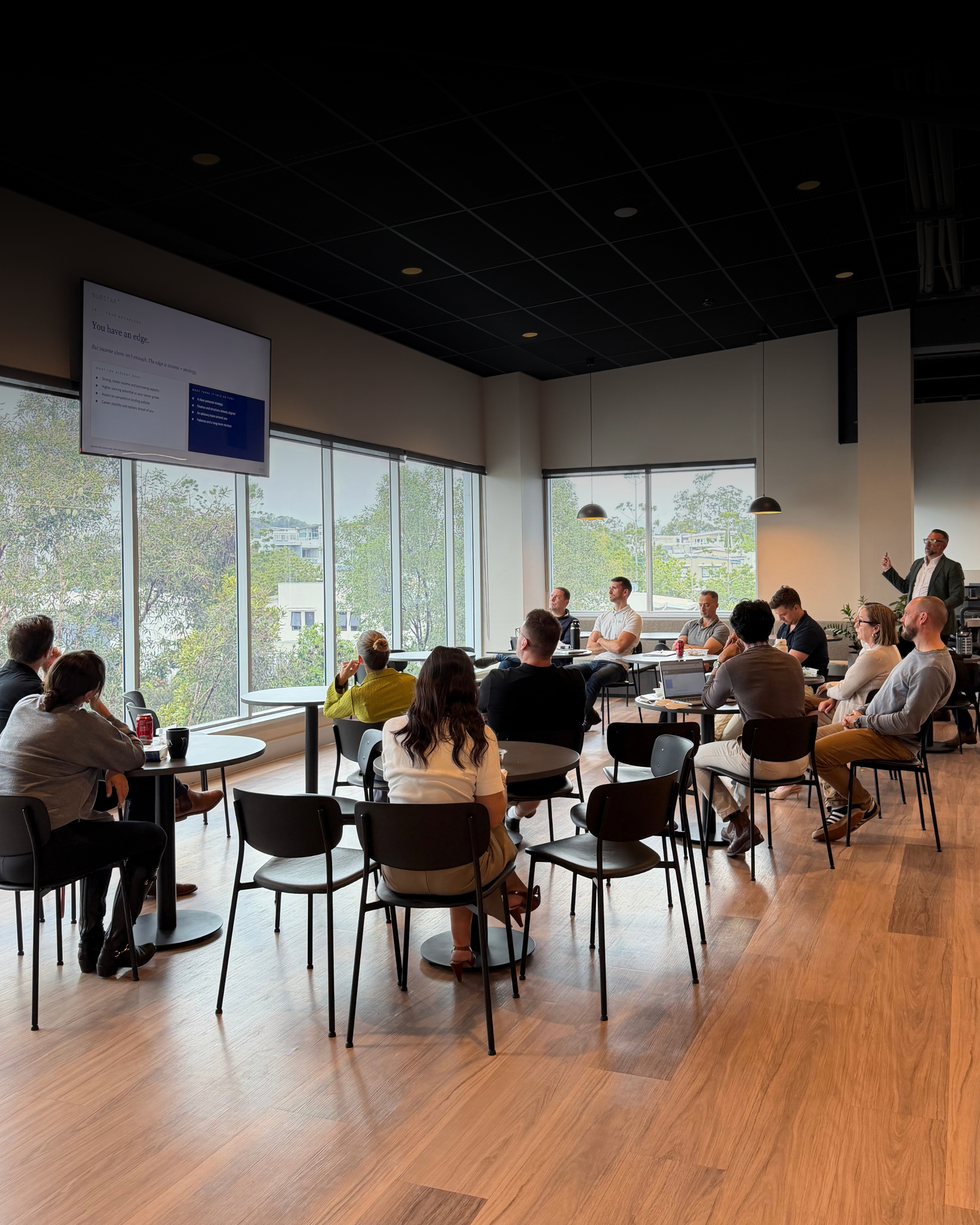

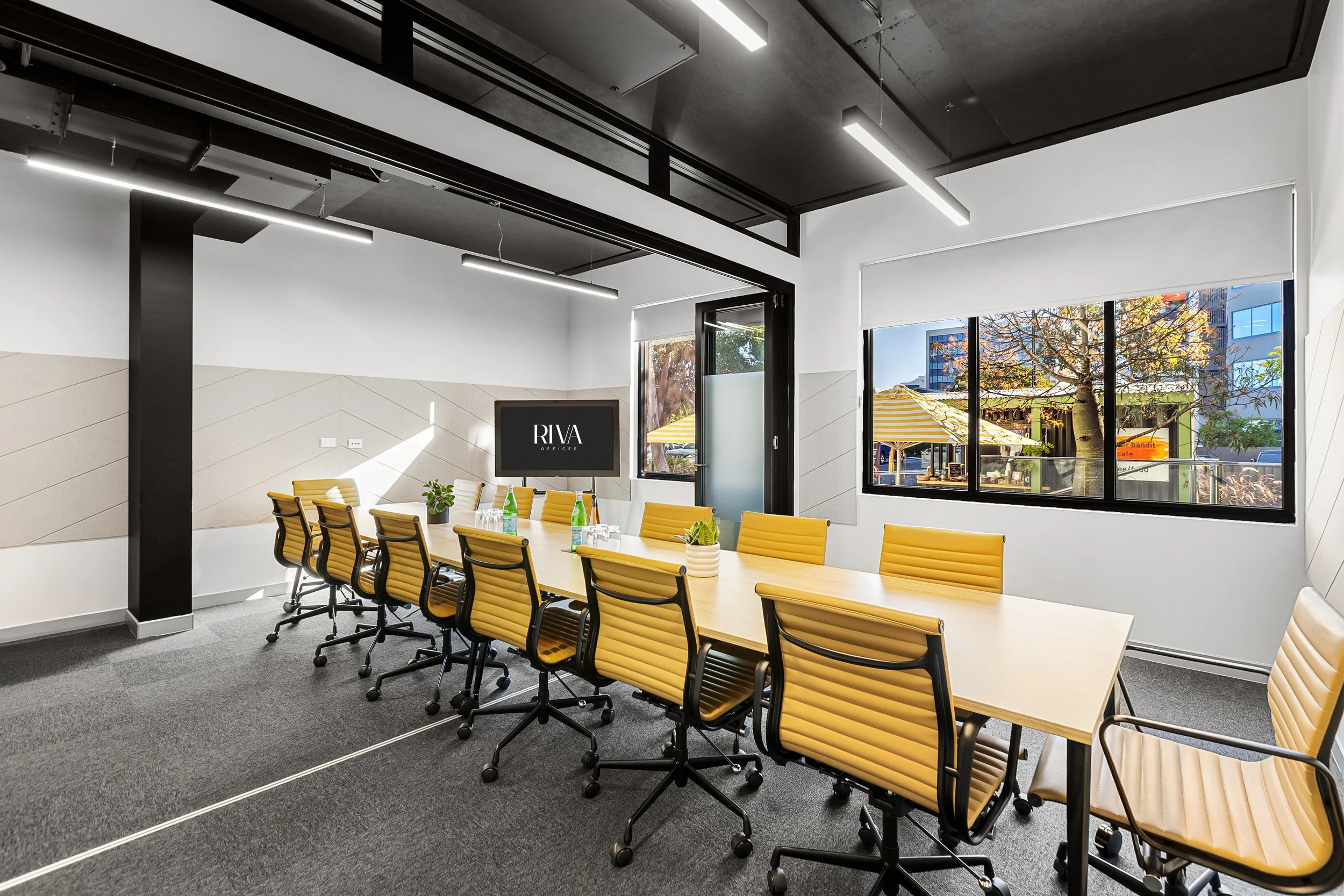
A workspace should leave room for what comes next
The difficult part about choosing office space while a business is growing is that you are rarely choosing only for today.
A two-person team can become four. A business that rarely hosted clients may begin doing so every week. A company that once worked almost entirely remotely might find more value in bringing people together regularly.
Predicting exactly what the next year will look like is difficult.
Creating room for it does not have to be.
That is perhaps the more useful way to think about flexible office space: not simply as an alternative to a traditional lease, but as a way of giving a business somewhere to grow without needing to know exactly what that growth will look like yet.
Looking towards 2027
The end of the year tends to create a natural point of reflection.
Businesses review what worked, what changed and what needs to look different in the year ahead.
Sometimes that is a new hire or a new market.
Sometimes it is a much smaller decision, like recognising that the place where the business started is no longer the place that best supports where it is going.
For businesses planning that next step on the Gold Coast, the workspace conversation is becoming less about simply finding an office and more about finding the right environment for the way the business wants to operate.
At Riva, we see that transition happen in different ways.
Some businesses arrive looking for their first professional base outside the home. Others are leaving traditional leases behind or finding space for a team that has simply grown beyond its existing office.
The circumstances are different, but the underlying question is often similar.
What kind of environment will support the next version of the business?
It is a useful question to take into 2027.
