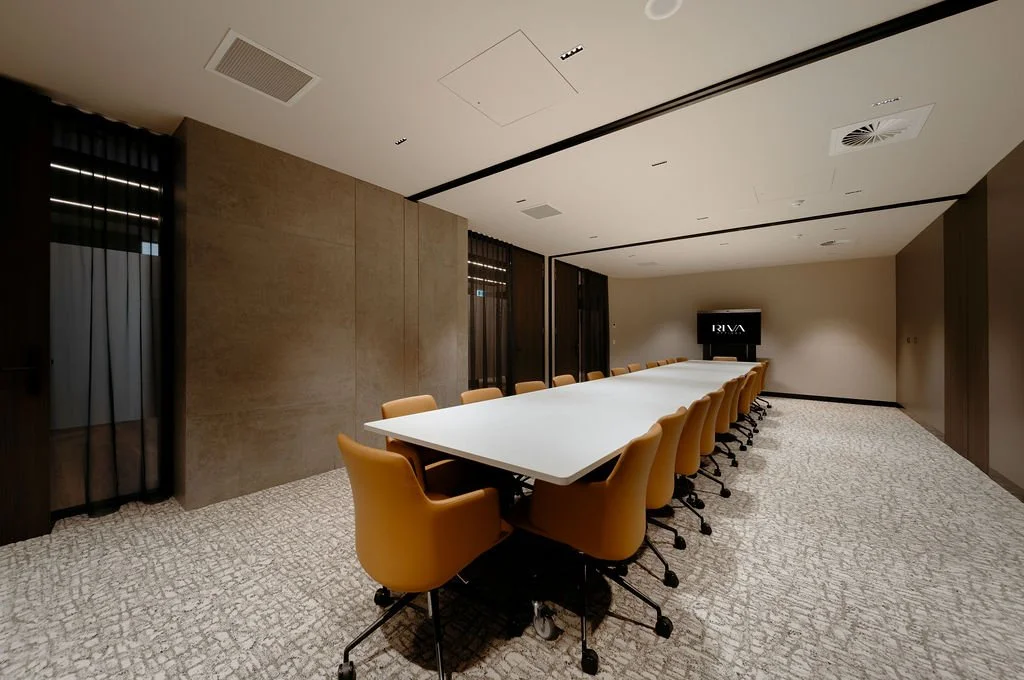
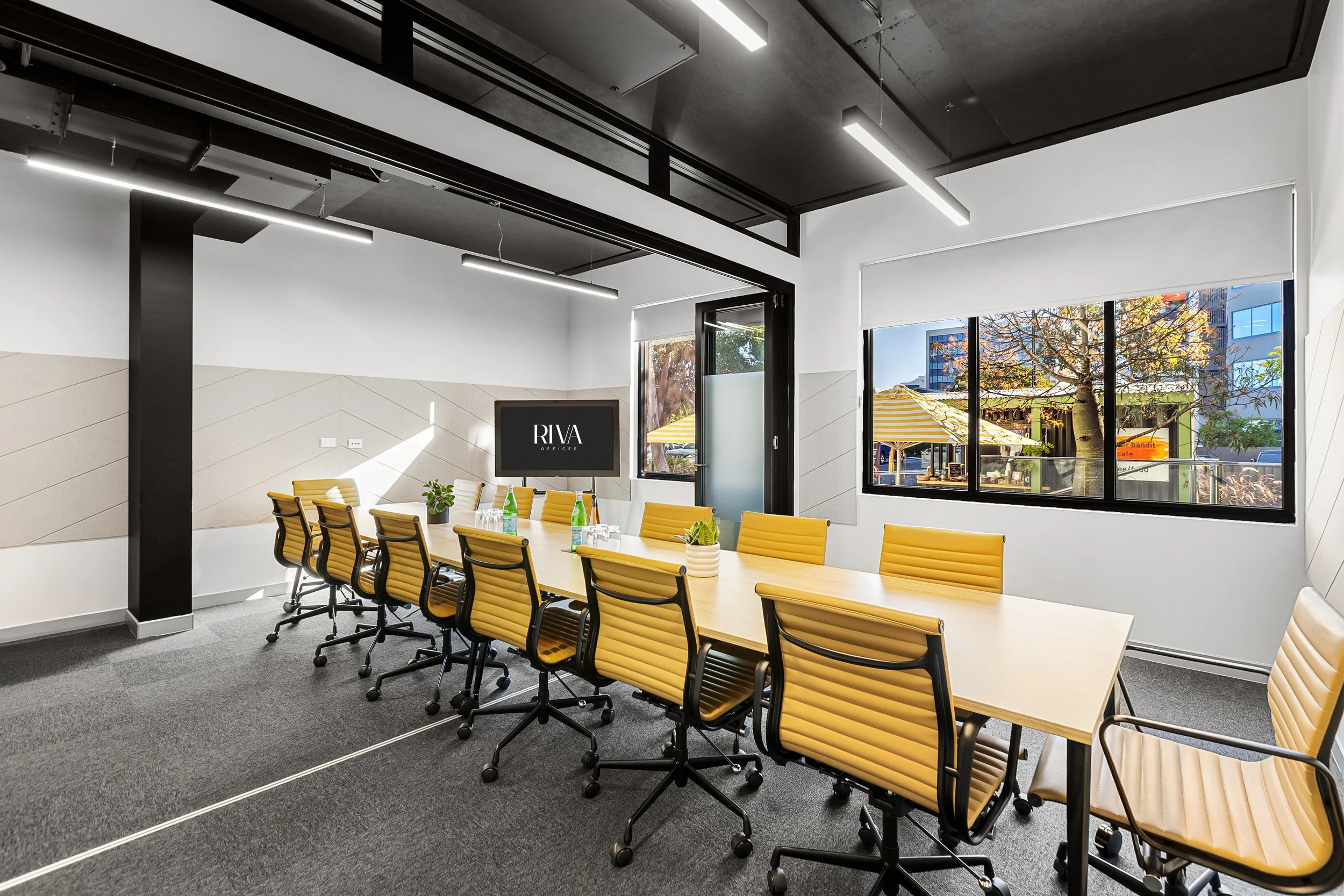
What do your clients remember after a meeting?
The small details shape how your business is experienced.
Most people do not leave a business meeting remembering every slide, every question or every point that was discussed. What tends to stay is a broader impression of how the experience felt and, often without much thought, what that experience said about the business behind it.
For client-facing businesses, those impressions are being shaped all the time. Through conversations, communication, the way a client is welcomed and the environment in which important discussions take place. The brand may set an expectation before the meeting begins, but the experience is where that expectation becomes real.
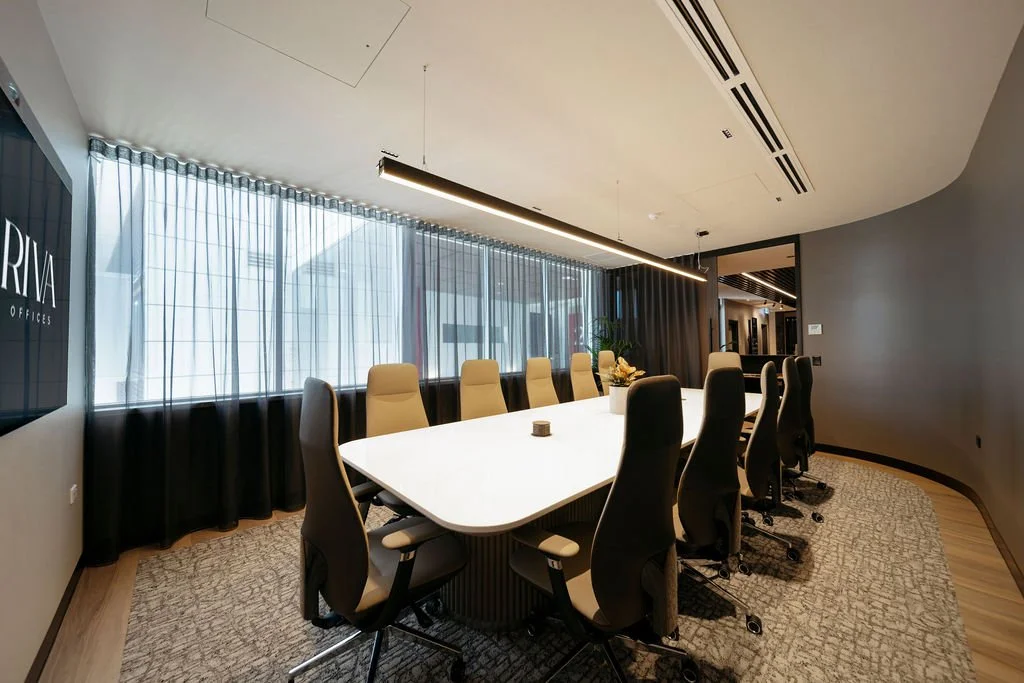
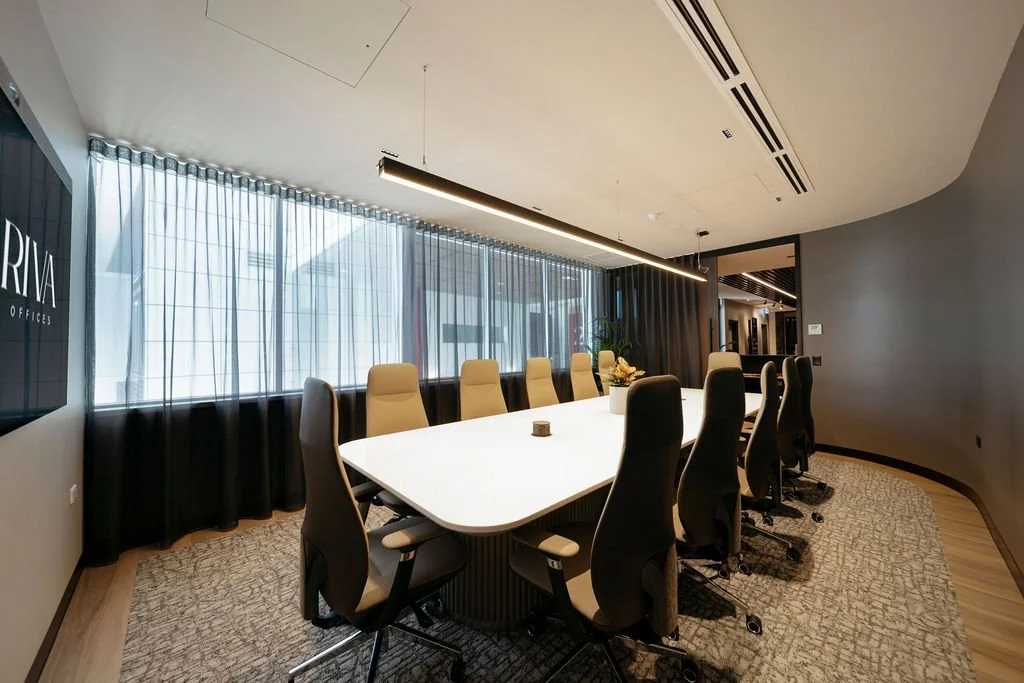
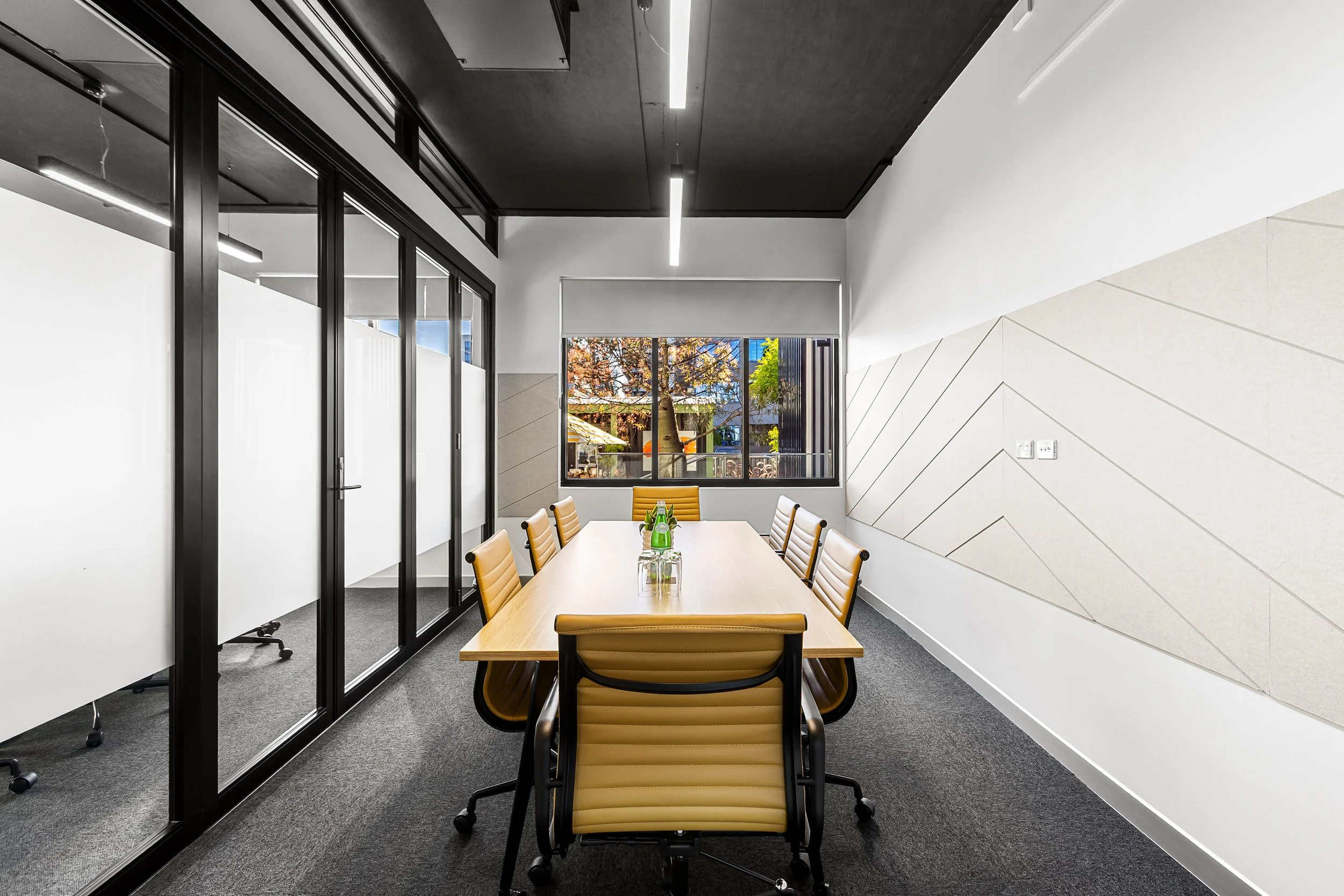
Boardroom - Riva Robina
The experience is part of the brand
Brand is often thought about in visual terms. The website, the presentation, the way a business communicates and how everything looks together. But from a client's perspective, the experience of dealing with a business becomes part of that picture too.
PwC Australia's 2025 Customer Sentiment Survey offers an interesting perspective on just how closely service and perception are connected. Across 1,600 Australians, almost 88% said good service made them more likely to buy again, while almost 69% would consider switching after a poor experience.
A meeting is only one part of a much wider client relationship, but it is also one of the moments where many parts of a business come together. The people, the communication, the level of preparation and the environment are all being experienced at once.
When those elements feel considered, the impression of the business tends to feel considered too.
The room has a role to play
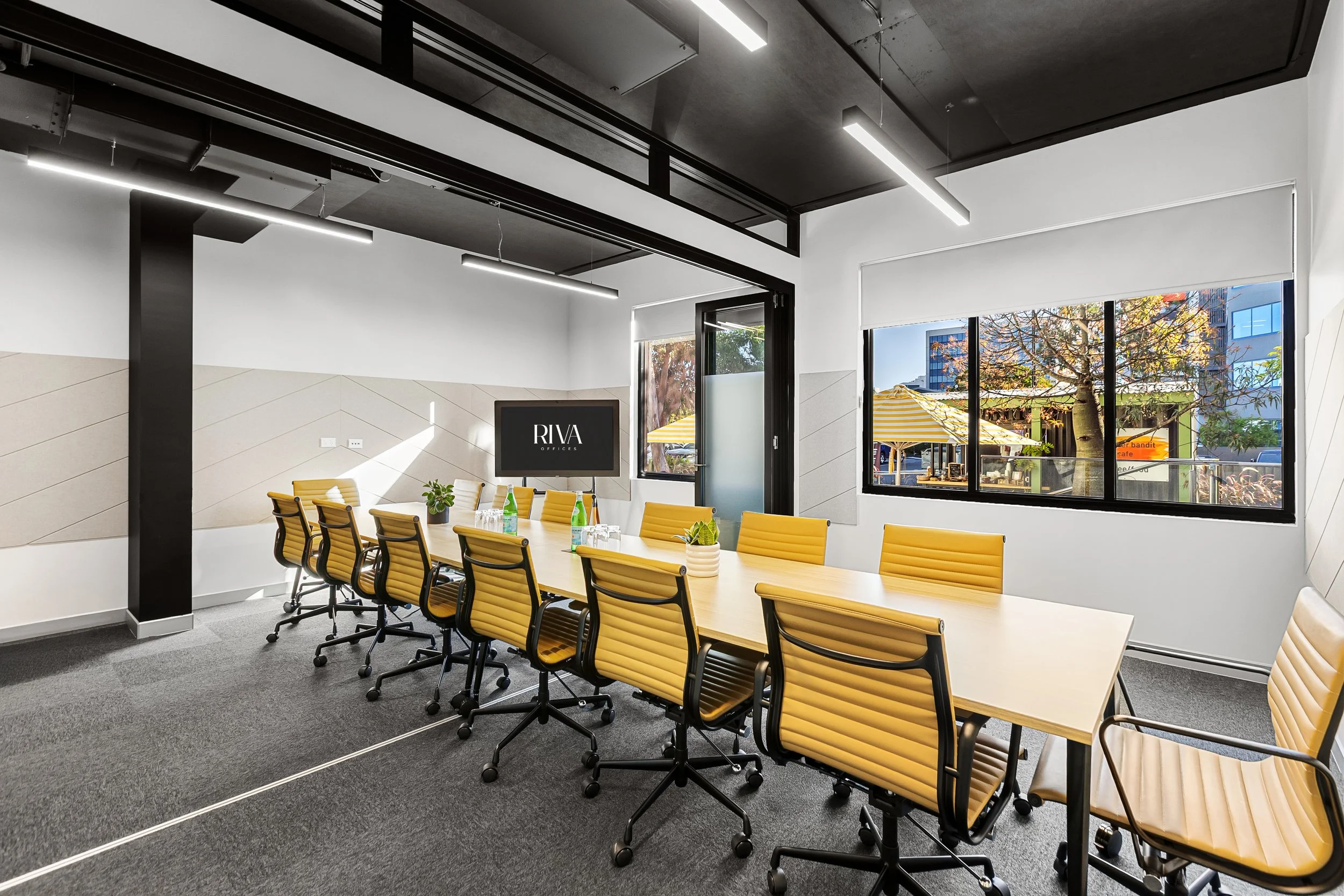
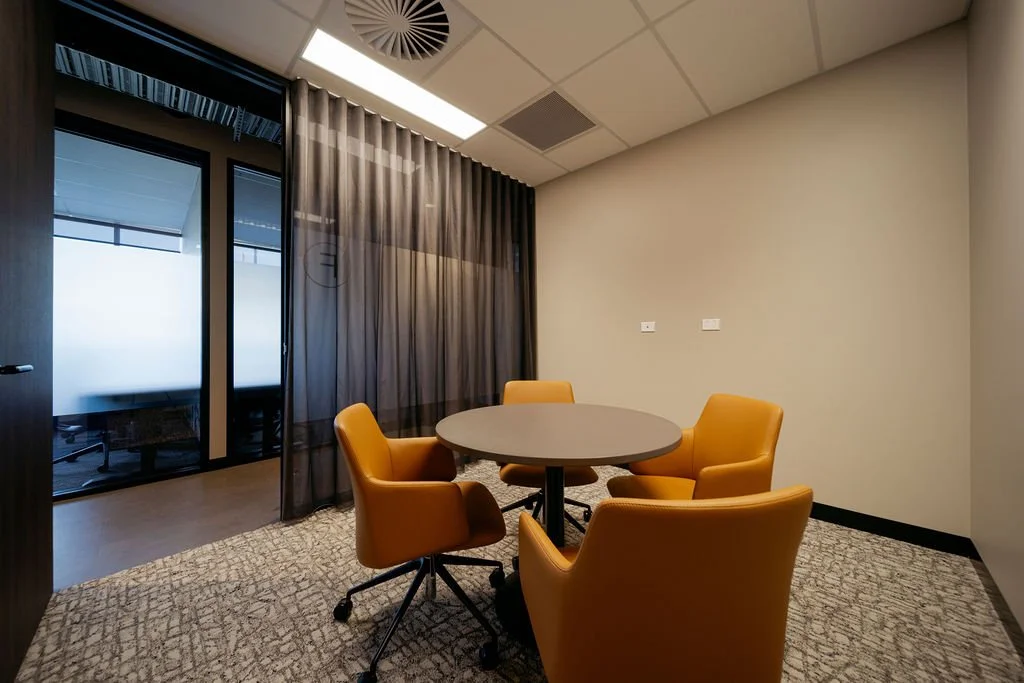
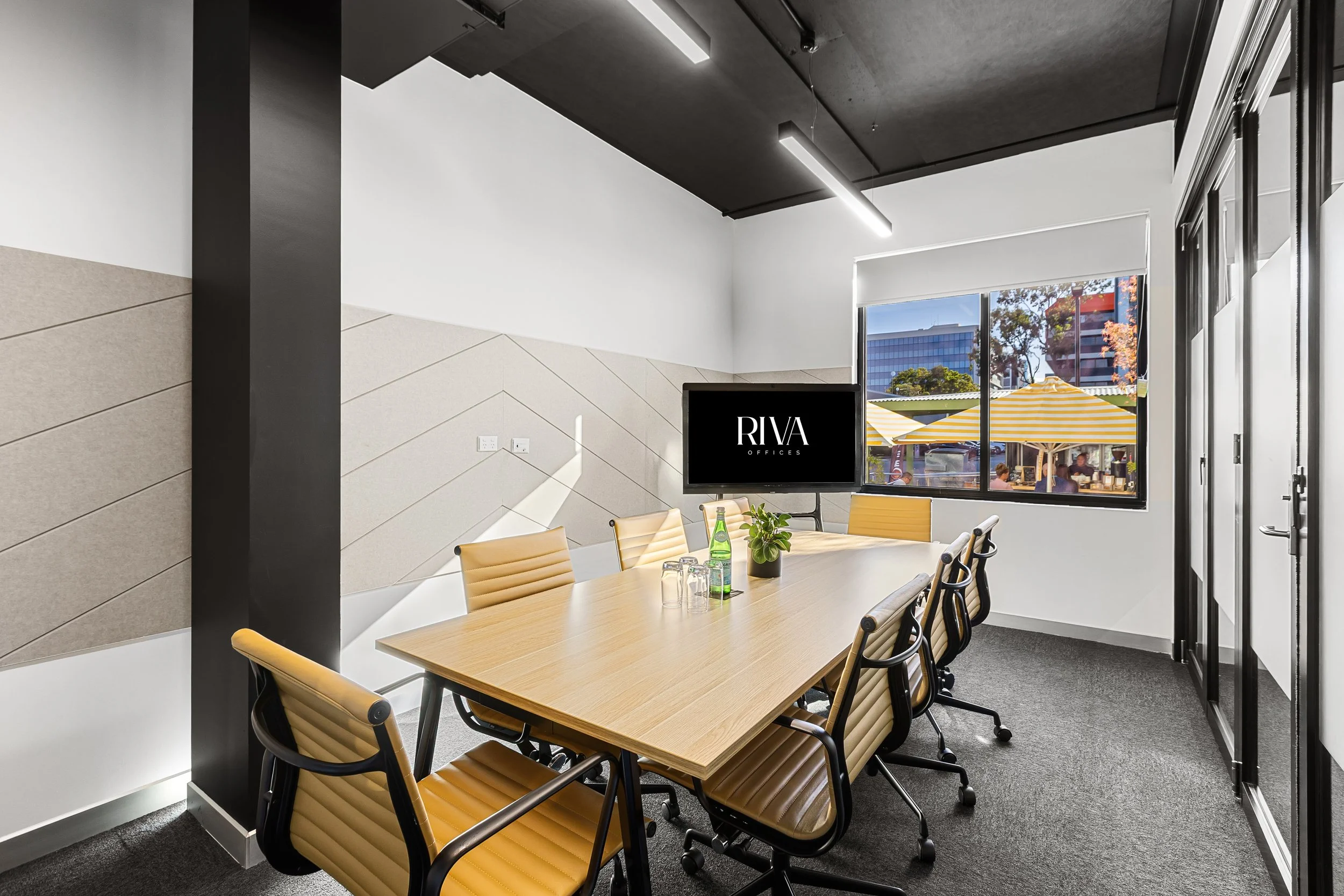
Meeting Room - Riva Bundall
There’s actually a name for this: servicescape.
It describes the role a physical environment plays in shaping a customer’s experience. Research suggests that everything from layout and atmosphere to the practical features of a space can influence satisfaction, although what matters most depends on the setting.
More recent research published in Psychology & Marketing brought together previous studies on the subject and found that the environment can play a meaningful role in customer satisfaction, although what matters most changes depending on the service and the setting.
It makes sense when applied to a meeting. A strategy session carries a different energy to a quick catch-up, while a financial discussion may need privacy, a presentation needs the right technology and a workshop may benefit from more room to collaborate.
The room will never replace expertise, trust or strong service, but it can give those things the right setting. When the environment suits the conversation, it becomes easier for the space itself to fade into the background and for the meeting to take focus.
What actually stays in the memory?
Interestingly, we don’t remember every part of an experience equally.
Research into the peak-end rule suggests that when we look back on an experience, its most significant moments and the way it ended can carry more weight in how we remember it overall.
A large review of the research published in 2022 found strong support for the effect, with those moments carrying more weight in retrospective evaluations than the beginning or even the duration of an experience.
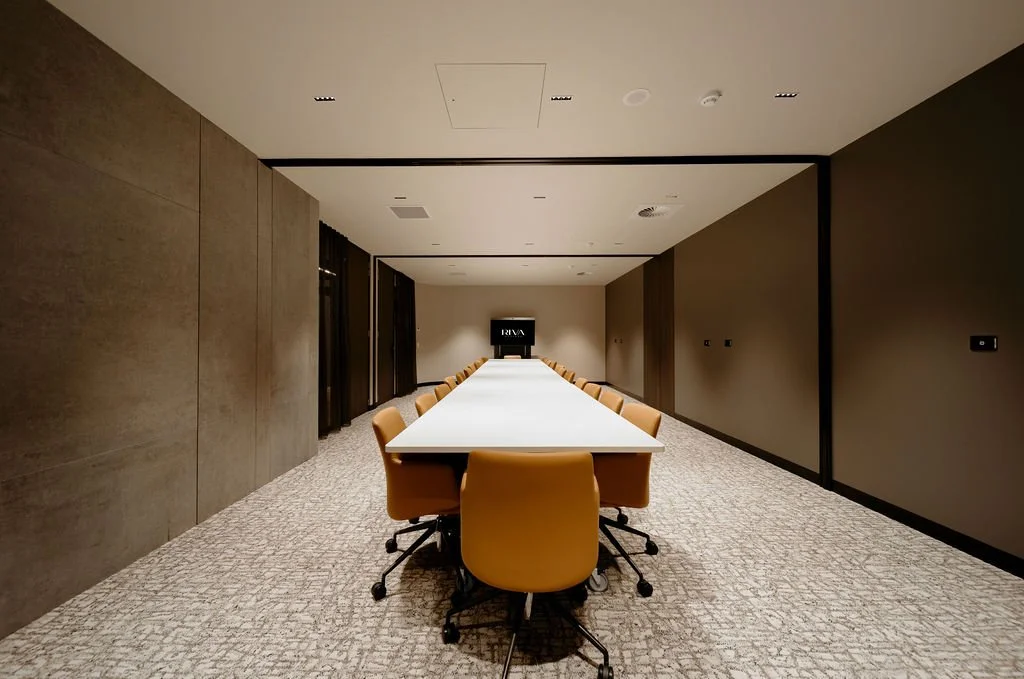
The research was not about client meetings specifically, but it offers an interesting way to think about them. The part that stays may be the moment a complicated problem finally feels clearer, an unexpected insight, the confidence created by a good conversation or simply the way the meeting is brought to a close.
It is a reminder that a strong meeting experience is not about making every moment memorable. It is about giving the moments that matter the space to stand out.
When preparation disappears into the background
There is something reassuring about walking into a meeting where everything feels ready. The presentation is on screen, the video call has been tested and the room feels right for the conversation about to take place.
These are unlikely to be the things anyone talks about afterwards, and that is often exactly how they should work. Good preparation has a way of disappearing into the background, while a lack of it tends to make itself known very quickly.
The strongest client experiences often feel effortless for this reason. Not because little thought has gone into them, but because much of that thought happened before the meeting began.
Inside Riva
It is something considered carefully across the Riva experience, particularly for the businesses that regularly welcome clients, partners and external teams into the workspace.
Guests can be welcomed on arrival, meeting spaces prepared ahead of time and screens and technology set up around the needs of the conversation, whether it is a presentation, a private discussion or a meeting with someone joining remotely.
The intention is for those details to sit quietly in the background, leaving more attention for the people in the room and the conversation taking place.
Because while the details surrounding a meeting may not always be the things a client remembers, they can still shape what is remembered about the business behind it.